
Supreme Court Reaffirms Birthright Citizenship: What Today's Decision Means
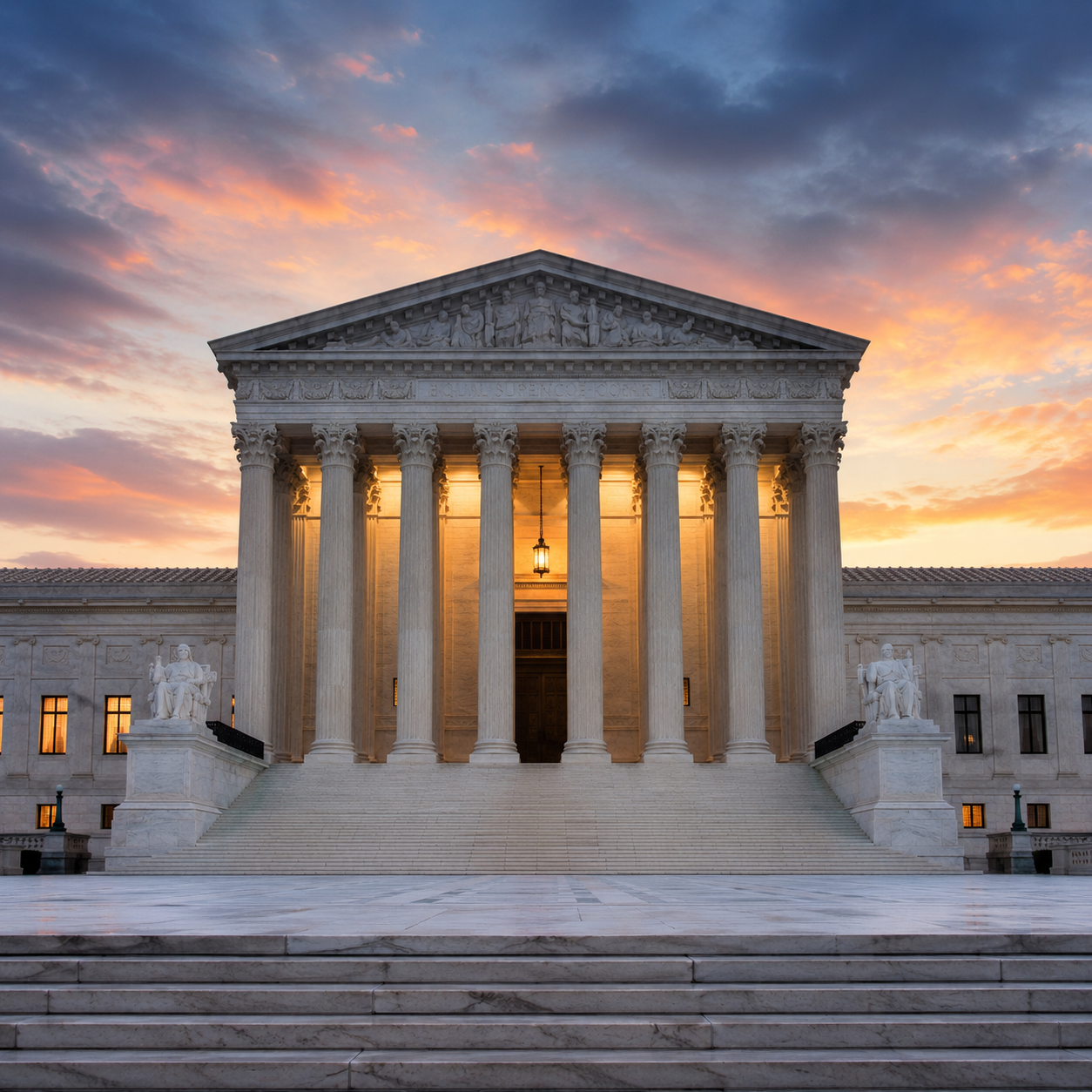
Today, the U.S. Supreme Court issued a landmark decision reaffirming one of the most fundamental principles of American citizenship: if you are born in the United States, you are a U.S. citizen.
In a 6-3 ruling, the Court rejected an executive order that sought to deny automatic citizenship to certain children born in the United States based on their parents' immigration status. The Court held that the order conflicted with the Citizenship Clause of the Fourteenth Amendment and longstanding Supreme Court precedent.
What Is Birthright Citizenship?
Birthright citizenship is the principle that nearly all individuals born on U.S. soil automatically acquire U.S. citizenship at birth. This protection comes directly from the Fourteenth Amendment, which states:
"All persons born or naturalized in the United States, and subject to the jurisdiction thereof, are citizens of the United States."
For more than a century, courts have interpreted this language to apply regardless of a child's parents' immigration status, with very limited exceptions. The Supreme Court's decision today reaffirms that interpretation.
What Was the Executive Order?
The executive order at issue attempted to deny citizenship to certain children born in the United States if their parents were not U.S. citizens or lawful permanent residents.
Supporters argued that the Constitution's phrase "subject to the jurisdiction" of the United States should be interpreted more narrowly. Opponents argued that the order directly contradicted the text of the Fourteenth Amendment, federal law, and over a century of Supreme Court precedent.
The Supreme Court ultimately agreed with the challengers.
Why This Decision Matters
This ruling is significant for several reasons.
First, it preserves a constitutional protection that has been recognized for generations and impacts hundreds of thousands of children born in the United States each year.
Second, it reinforces an important constitutional principle: a president cannot change the meaning of the Constitution through executive action. Constitutional rights can only be altered through the constitutional amendment process or through changes in constitutional interpretation by the courts.
Third, the decision provides certainty for families, employers, schools, and government agencies that rely on a clear and consistent definition of citizenship.
Looking Ahead
While debates over immigration policy will undoubtedly continue, today's decision settles a fundamental constitutional question. The Supreme Court has reaffirmed that birthright citizenship remains the law of the land.
For immigration attorneys, employers, and families alike, the ruling provides clarity and preserves a cornerstone of American constitutional law that has existed for more than 150 years.
Whether viewed through a constitutional, historical, or practical lens, today's decision is one of the most significant immigration rulings in recent years and will likely shape the national conversation for years to come.