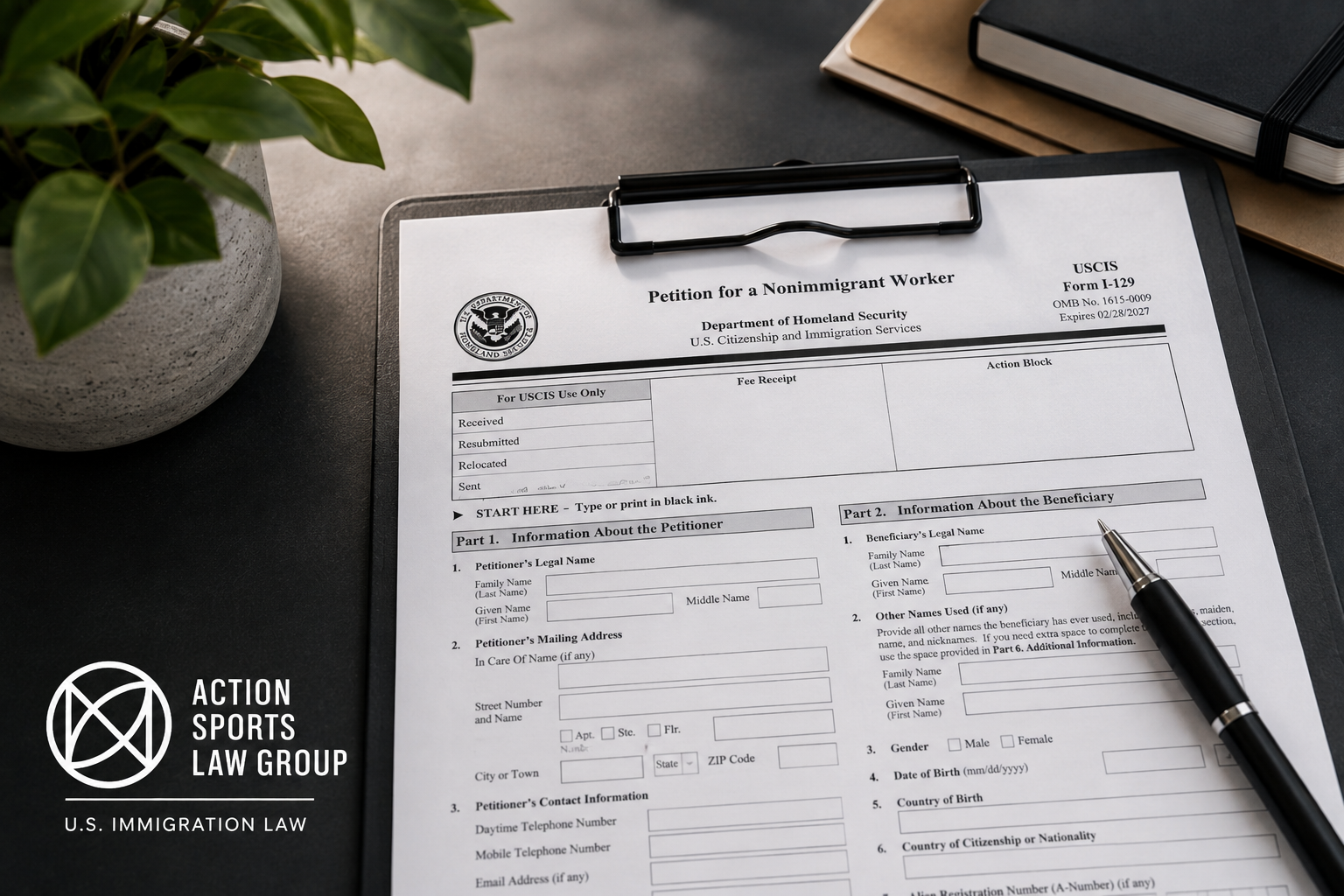
USCIS Can Now Deny Incomplete Immigration Petitions Without Issuing an RFE
Here's What That Means.
USCIS announced an important policy change that affects nearly every type of immigration benefit request, including O and P visa petitions.
Effective August 5, 2026, USCIS officers have been instructed that they may deny an application or petition without first issuing a Request for Evidence (RFE) or Notice of Intent to Deny (NOID) if the filing is incomplete or fails to establish eligibility at the time it is submitted.
While this authority has existed in the regulations for years, previous guidance generally encouraged officers to issue an RFE before denying a case. That guidance has now been rescinded.
So, what does this actually mean for applicants?
What is changing?
In simple terms, USCIS is reinforcing that your petition should be complete the day it is filed.
If a petition is missing required initial evidence or fails to demonstrate eligibility, USCIS may now deny the case outright instead of giving you an opportunity to correct the problem through an RFE.
It's important to note the word "may."
This does not mean RFEs are going away. USCIS officers still have the discretion to issue an RFE when they believe additional evidence would be helpful. The difference is that they are no longer encouraged to do so before denying an incomplete filing.
What is an RFE?
A Request for Evidence (RFE) is exactly what it sounds like.
If USCIS believes additional documentation is needed to make a decision, it sends a written request explaining what information or evidence is missing. The petitioner is then given an opportunity to respond before USCIS makes a final decision.
Historically, many cases with missing documents or minor deficiencies received an RFE instead of an immediate denial.
This new policy makes it clear that applicants should no longer assume they will get that second chance.
What counts as "required initial evidence?"
For O and P visa petitions, required initial evidence can include documents such as:
Signed contracts or deal memos
Advisory opinions (unless an exception applies)
Required filing fees
Properly completed and signed USCIS forms
Itineraries, when required
Supporting evidence demonstrating eligibility
Certified English translations of foreign language documents
Any documentation specifically required by USCIS regulations or form instructions
If required evidence is missing when the petition is filed, USCIS may deny the petition without requesting additional information.
Will this affect Action Sports Law Group clients?
For the most part, this policy won't change how we prepare cases.
At Action Sports Law Group, our goal has always been to submit the strongest and most complete petition possible from the very beginning. We don't prepare cases with the expectation that we'll have an opportunity to fix deficiencies through an RFE later.
That said, this policy does reinforce something we've always emphasized to our clients: getting documents to us early and making sure they're complete is more important than ever.
The more complete the petition is when it's filed, the lower the risk of unnecessary delays, denials, or the need to refile.
Why did USCIS make this change?
According to USCIS, the previous policy resulted in officers spending significant time issuing RFEs for cases that should have been complete when filed.
The agency also stated that some applicants were filing incomplete or "placeholder" applications simply to obtain certain interim benefits, such as employment authorization, while waiting to supplement their cases later.
USCIS believes this updated policy will improve efficiency, reduce frivolous filings, and allow officers to focus their resources on complete, properly documented petitions.
My take
For applicants who are represented by experienced immigration counsel and submit well-prepared petitions, this policy shouldn't be a cause for panic. However, it does raise the stakes for incomplete or rushed filings.
Whether we're filing an O visa for an elite athlete or artist, a P visa for an international competitor, or another employment-based petition, the filing needs to stand on its own from day one.
Relying on an RFE to fix missing documents or strengthen a weak case is no longer a strategy anyone should count on.
As always, we'll continue monitoring USCIS policy changes and keeping our clients informed about developments that could affect their immigration journey.